Cancelled / Expired Listing
From a Cancelled Listing to Three Offers and a Successful Sale
Single-family with ADU/casita · Ivins, Utah
How strategic repricing and premium marketing helped a higher-end Ivins home finally attract the right buyers.
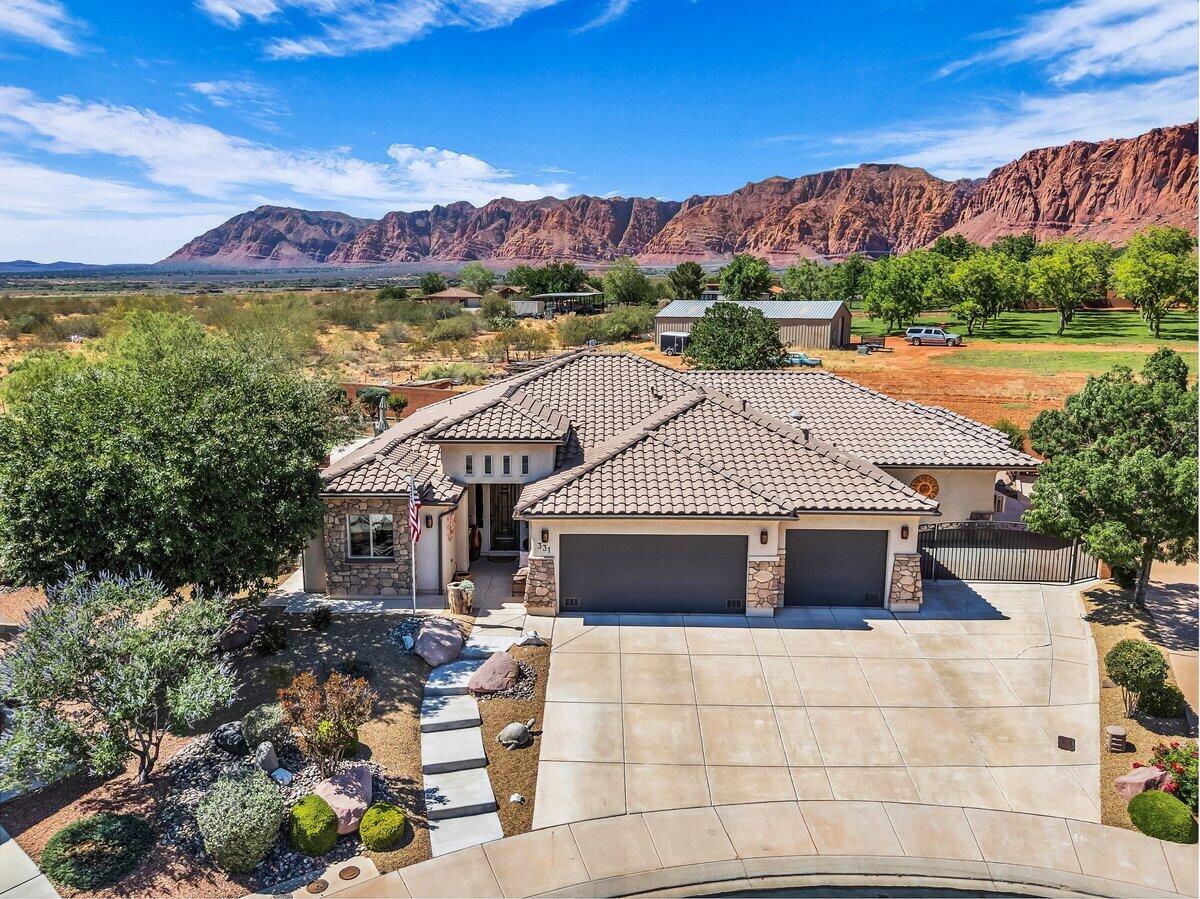
Before
Previous status: Listed with another agent, then cancelled; Initial relaunch price $925,000
After
Adjusted price $900,000; 3 offers; Final contract price $923,200; Seller concessions $25,000
The situation
After a major life transition, the seller no longer needed such a large home and wanted to downsize. The property had previously been listed with another real estate agent but did not sell. When that listing was cancelled, I had the opportunity to take a fresh look at the home, the market, and the strategy. The seller’s priorities were clear: get the highest price the market would support, while still selling within a reasonable amount of time. This was not a property that needed major preparation. It was already exceptionally well maintained and ready to show. The challenge was positioning it correctly.
The previous strategy
The property had been listed with another agent and failed to sell. When that listing was cancelled, the marketing and pricing approach had not produced a buyer. The seller needed a different strategy that would reach the right audience for a distinctive higher-end property.
The diagnosis
The home was not typical. Its strongest selling points included panoramic Southern Utah red-rock views, a private backyard with an in-ground pool and hot tub, outdoor kitchen and entertaining areas, a putting green, a three-car garage, a cul-de-sac location, a large attached accessory dwelling unit, and a 537-square-foot casita with its own kitchen, bedroom, bathroom, laundry, and separate heating and cooling. The ADU was particularly unusual. At nearly twice the size of many accessory units, it offered flexibility for guests, multigenerational living, or potential rental use. The challenge was positioning it correctly so buyers understood why this home was different from others in the same price range.
What changed
I priced the home at $925,000 based on comparable sales and current competition. But before the home ever went live, the seller and I had already agreed on what we would do if buyers did not respond. Instead of allowing the property to sit indefinitely while hoping for a different result, we included a predetermined price-adjustment strategy in the listing agreement. That removed much of the emotion from a future pricing decision. The plan was simple: let the market respond, measure the activity, and adjust if the evidence justified it. Because this was a higher-end property with distinctive visual features, the marketing needed to reflect that. The campaign included professional real estate photography, drone photography, professional video, Zillow Showcase, strategic Zillow positioning, social media promotion, the Ames Team’s marketing network, and direct outreach to real estate agents. The goal was not simply to put the home into the MLS; it was to make sure buyers understood why this home was different. Rather than marketing the property generically, we built the campaign around the features buyers were least likely to find elsewhere: the views and the oversized ADU.
How buyers responded
The initial $925,000 price generated showing activity but did not produce an offer. Because we had already established the pricing plan before listing, we did not allow the home to accumulate unnecessary market time. The price was adjusted to $900,000. That change proved important. The strongest evidence in real estate is not what a seller, buyer, or agent believes a home should be worth; it is what qualified buyers actually do when given the opportunity to purchase it. Once the price aligned more closely with the market, buyer interest strengthened and produced three offers.
The result
The repositioned property ultimately generated three offers. The successful buyer initially offered the full $900,000 asking price. That gave us an opportunity to negotiate the overall structure of the transaction rather than focusing on price alone. Following the inspection, repair-related issues needed to be resolved. Instead of simply reducing the purchase price, the final contract was structured at $923,200 purchase price with $25,000 in seller concessions. This allowed the parties to address the inspection issues while keeping the transaction together. From the seller’s perspective, the important number was not simply the headline sale price. After accounting for the $25,000 concession, the price economics were approximately $898,200 before commissions and normal closing costs. That was only $1,800 below the $900,000 asking price despite the inspection-related issues that arose during the transaction. A home that had previously been listed with another agent and failed to sell was successfully repositioned and brought to closing.
What this means for other sellers
We established the pricing plan before emotions became involved. The seller agreed in advance to a price-adjustment strategy if the market did not respond, so we could react to evidence instead of waiting until frustration set in. The marketing matched the property: professional photography alone was not enough; drone imagery, video, Zillow Showcase, social media, team promotion, and agent outreach gave buyers multiple ways to discover and understand the property. We marketed what was genuinely difficult to replace: the red-rock views and unusually large ADU separated this home from much of its competition, and those features became central to the marketing rather than simply another line in the MLS description. We responded to buyer behavior: when showing activity failed to produce an offer at $925,000, we did not assume the buyers were wrong; we adjusted, and that adjustment helped produce three offers. We negotiated the entire transaction—not just the sale price—so inspection issues could have jeopardized the contract, but the final price and concession structure addressed the buyer’s concerns while preserving nearly all of the seller’s $900,000 asking-price economics. The takeaway is that the first price is not always the final strategy. In higher price ranges, the cost of waiting can become substantial. A property that spends too long above the market can lose its strongest period of buyer attention and eventually require a larger adjustment than would have been necessary earlier. This seller entered the market with a plan. When the first price did not generate an offer, we responded to the data, expanded the marketing, highlighted the home’s most valuable differences, and continued working the market. The result was three offers and a successful sale after the previous listing had failed to sell.
Published with the seller's permission. Results vary by property, price point, condition and market conditions. Past results do not guarantee future outcomes. Educational information only — not financial, tax, investment or legal advice.